Introduction to Open World Models
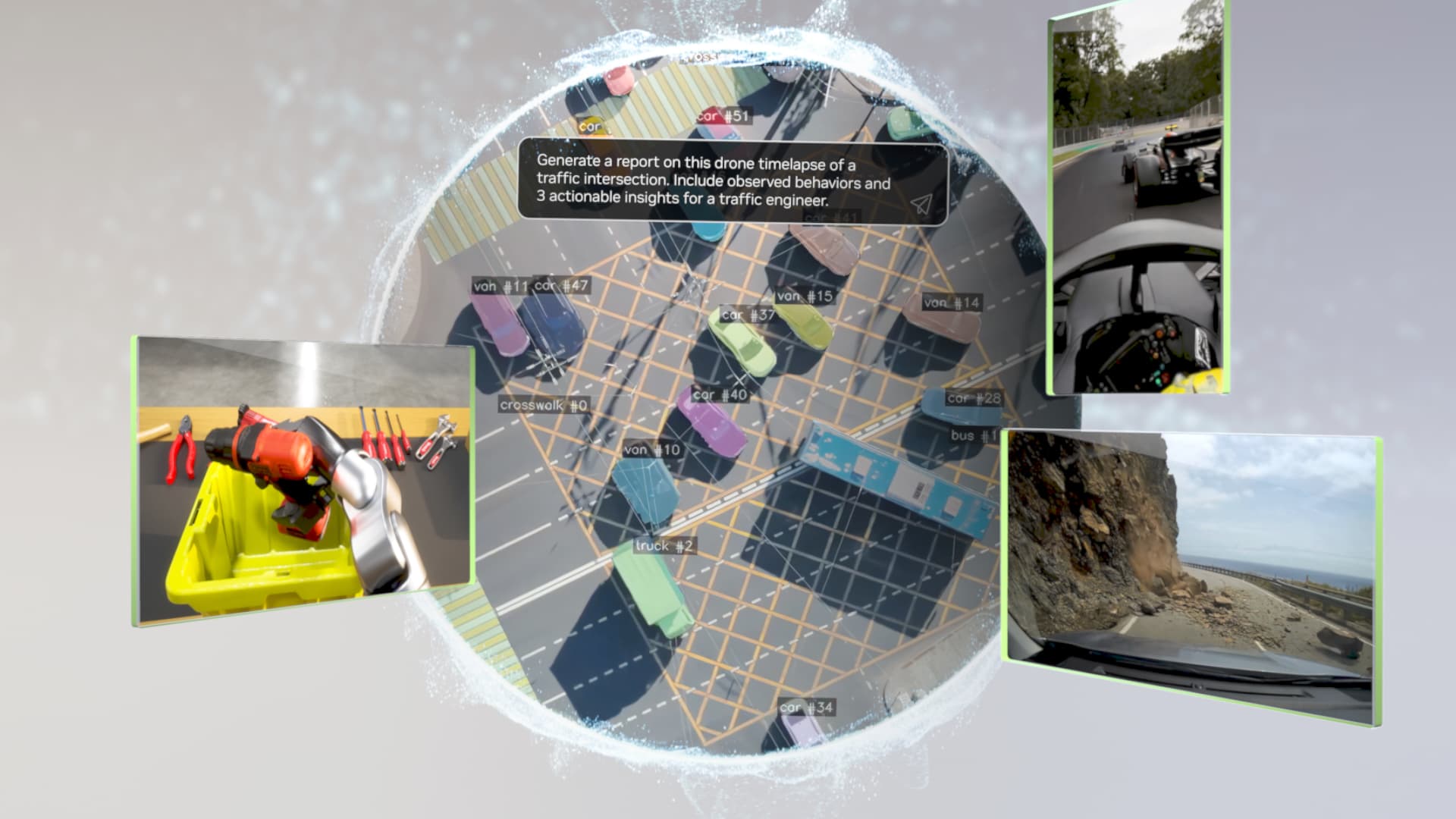
NVIDIA has made a significant announcement regarding the development of open world models, which are crucial for advancing physical AI. These models enable the understanding and prediction of consequences in physical environments, allowing for more accurate and effective AI systems. By making these models open, NVIDIA is promoting an ecosystem where developers and researchers can collaborate and build upon each other's work.
How Open World Models Work
Open world models learn how physical environments behave, predict future states, and provide a foundation for specializing physical AI systems. They can generate physically grounded world and action data, simulate future states, and test policies. This technology has the potential to revolutionize the field of physical AI, enabling the development of more sophisticated and capable systems.
Impact on Developers and Researchers
The release of open world models, such as NVIDIA Cosmos 3, and the NVIDIA Omniverse libraries, provides developers and researchers with powerful tools for building and training physical AI systems. These resources can help reduce the difficulty and expense of collecting data, particularly for rare events and long-tail scenarios. By leveraging these open models and libraries, developers can create more advanced and specialized physical AI systems, driving innovation and progress in the field.